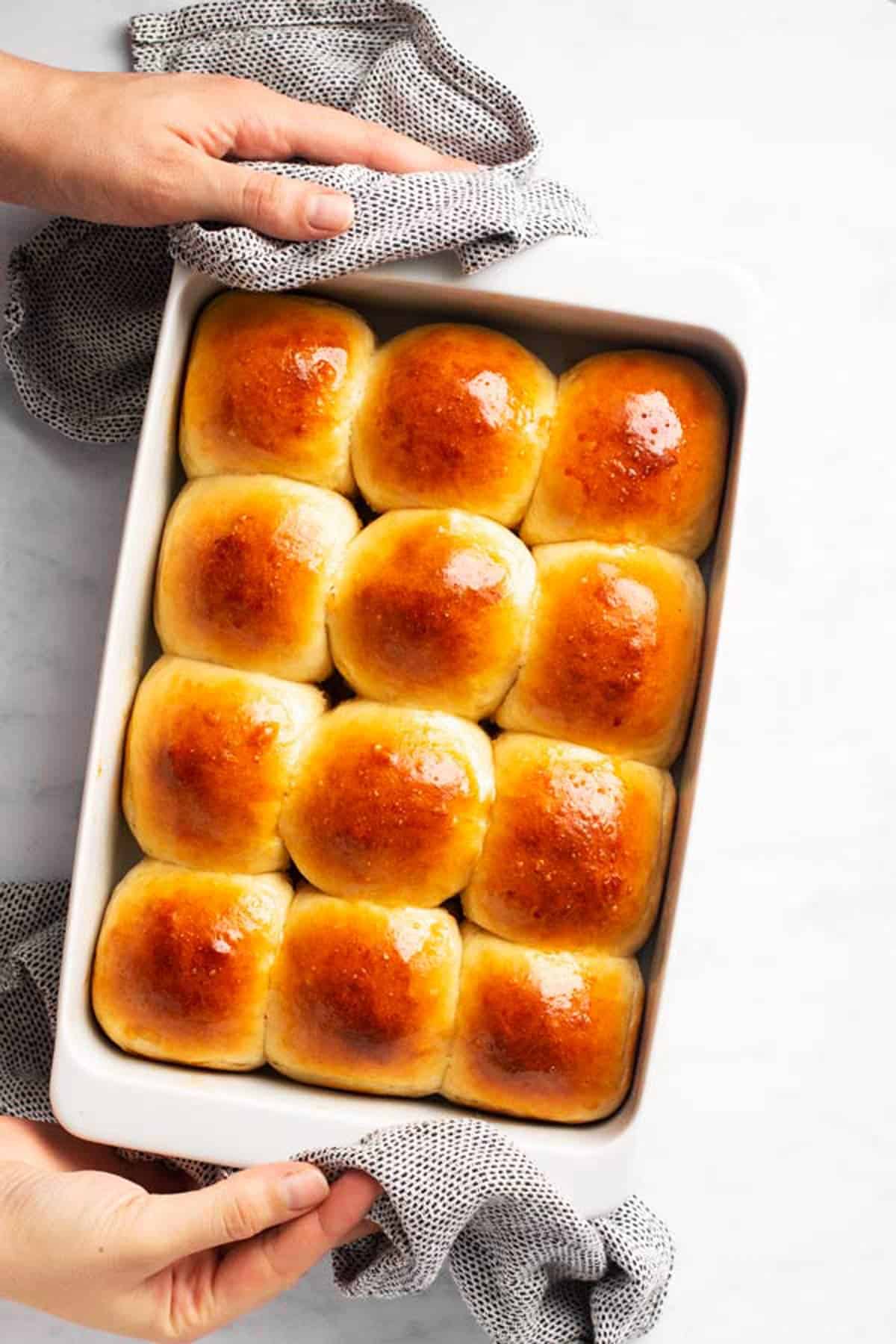
Easy Homemade Dinner Rolls: Soft, Buttery, and Foolproof – Your Guide to Bakery-Quality Bread
Imagine pulling a tray of golden-brown, impossibly soft, and wonderfully buttery dinner rolls from your oven. The aroma fills your kitchen, promising a warm, comforting hug with every bite. If you’ve ever dreamt of creating these bakery-quality delights at home but felt intimidated by yeast or the idea of homemade bread, prepare to have your mind changed! This comprehensive guide will walk you through crafting the most delicious, foolproof
Beginner's Guide to Pillowy Dinner Rolls for Any Meal, turning any meal into a special occasion. Forget store-bought; once you taste these homemade treasures, there’s no going back.
The Irresistible Allure of Freshly Baked Dinner Rolls
There’s something truly magical about homemade dinner rolls. They elevate a simple weeknight meal of soup or salad into a comforting feast, and they’re an absolute non-negotiable for holiday spreads like Thanksgiving or Christmas. Their soft, pillowy texture, slightly crisp, golden exterior, and rich, buttery flavor are unmatched. Beyond the incredible taste, baking rolls from scratch offers a sense of accomplishment and fills your home with an inviting warmth that no store-bought alternative can replicate. You also gain complete control over the ingredients, ensuring a wholesome and delicious treat for your family.
Why Homemade Dinner Rolls Are a Game-Changer for Any Occasion
Whether it's a grand holiday gathering or a quiet family dinner, homemade dinner rolls have the power to transform the dining experience. Their versatility is remarkable; they pair beautifully with hearty stews, roasted meats, pasta dishes, or simply a smear of butter and jam. The effort, though minimal, translates into a significant impact on your table. Your guests and family will undoubtedly be impressed by the thoughtfulness and deliciousness of these scratch-made additions. And here's the best part: achieving this level of culinary excellence is far easier than you might think, even for novice bakers. We’ll break down the process into simple, manageable steps, ensuring success every time.
Demystifying the Art of Soft & Buttery Dinner Rolls: A Step-by-Step Guide
For many, the mention of "yeast" can trigger baking anxiety. Let's dispel that myth right now. Baking with yeast is a straightforward process when you understand a few key principles. This recipe is designed to be incredibly forgiving, guiding you from a few basic ingredients to a batch of spectacular dinner rolls. We'll follow a clear, logical flow: Dough, Knead, Rise, Rolls, Bake.
Step 1: Gathering Your Dough Ingredients and Activating Yeast
The foundation of any great bread lies in its ingredients. For our easy dinner rolls, you'll need standard pantry staples: all-purpose flour, active dry yeast (or instant yeast), warm milk, sugar, salt, butter, and an egg. The key to successful yeast baking often begins with activating your yeast. If using active dry yeast, gently warm your milk to about 105-115°F (40-46°C) – think warm bathwater, not hot. Too hot, and you'll kill the yeast; too cold, and it won't activate. Sprinkle the yeast and a pinch of sugar (the yeast's food!) over the warm milk, stir gently, and let it sit for 5-10 minutes. You should see a foamy layer form on top, indicating your yeast is alive and ready to work its magic. If no foam appears, your yeast might be old or the milk temperature was off, and it’s best to start again with fresh yeast. If using instant yeast, you can often add it directly to your dry ingredients, but proofing it first ensures its vitality.
Step 2: Mastering the Knead for Perfect Texture
Once your yeast is proofed, combine it with the remaining wet ingredients (melted butter, egg) and then gradually add the dry ingredients (flour, salt, remaining sugar). The kneading process is crucial for developing the gluten in the flour, which gives the dinner rolls their characteristic chewiness and elasticity.
You have two main options for kneading:
- Stand Mixer: This is the easiest method. Attach a dough hook to your stand mixer and knead on medium-low speed for 7-10 minutes. The dough will start sticky, then gradually pull away from the sides of the bowl, becoming smooth and elastic.
- By Hand: Turn the dough out onto a lightly floured surface. Knead by folding the dough over itself, pushing down with the heel of your hand, turning, and repeating. This typically takes 10-15 minutes. The dough is properly kneaded when it feels smooth, elastic, and passes the "windowpane test" – you should be able to stretch a small piece of dough thinly enough that light passes through without tearing.
Avoid adding too much extra flour during kneading, as this can lead to dense, dry rolls. Just enough to prevent excessive stickiness is perfect.
Step 3: The First Rise – Letting Your Dough Double in Delight
After kneading, lightly grease a large bowl with oil, place your dough inside, and turn it once to coat. Cover the bowl tightly with plastic wrap or a clean kitchen towel. Now, the dough needs a warm, draft-free place to rise. An ideal temperature is around 75-80°F (24-27°C). Good spots include:
- A sunny windowsill (but not too hot!)
- Inside a microwave or oven (turned off!) with a cup of hot water alongside it to create a steamy, warm environment.
- On top of the refrigerator.
Allow the dough to rise for 1 to 2 hours, or until it has visibly doubled in size. This first rise, known as the "bulk fermentation," develops much of the flavor and texture. Once doubled, gently punch the dough down to release the trapped gases – this doesn't hurt the dough, it actually helps redistribute the yeast and nutrients for an even texture.
Step 4: Shaping and the Second Rise for Fluffy Perfection
Now comes the fun part: transforming your dough into beautiful individual dinner rolls! Lightly flour your work surface. Turn the dough out and divide it into 16 equal pieces. For truly uniform rolls, you can weigh them (each piece should be around 50-60g, depending on your total dough weight). To shape, take each piece and gently pull the edges underneath, pinching them together at the bottom to create a smooth, taut ball. This technique builds surface tension, which helps the rolls rise beautifully in the oven.
Arrange the shaped rolls in a greased 9x13 inch baking pan, leaving a little space between each roll. Cover the pan again with plastic wrap or a clean towel and let the rolls undergo their second rise (proof) in a warm place for another 30-45 minutes, or until they look noticeably puffy and almost doubled in size again. This second rise is crucial for light, airy rolls.
Step 5: Baking to Golden Perfection and That Signature Buttery Finish
Preheat your oven to 375°F (190°C). For that beautiful golden-brown top and slightly glossy finish, brush the tops of your risen dinner rolls with an egg wash (one egg beaten with a tablespoon of water or milk). This step is optional but highly recommended.
Bake the rolls for 18-25 minutes, or until they are deeply golden brown on top and cooked through. If they start to brown too quickly, you can loosely tent them with foil. Once baked, remove them from the oven. For an extra touch of decadence and that irresistible buttery flavor, immediately brush the hot rolls with a little melted butter. This not only adds flavor but also keeps the crust soft. Serve these warm dinner rolls fresh from the oven and watch them disappear! If you're looking for an even quicker solution for your next meal, our guide to
Bake Perfect One-Hour Dinner Rolls: Soft, Golden & Impressive might be just what you need.
Foolproof Tips for Success and Variations to Explore
Even with a straightforward recipe, a few extra tips can ensure your dinner rolls are consistently perfect.
Troubleshooting Common Dinner Roll Dilemmas
- Dough Didn't Rise: The most common culprits are inactive yeast (check the expiration date and proof it!) or incorrect liquid temperature (too hot kills it, too cold slows it). Ensure your rising environment is warm enough.
- Dense Rolls: This can be due to adding too much flour during kneading, not enough kneading (underdeveloped gluten), or not allowing sufficient rising time.
- Dry Rolls: Usually a sign of too much flour or overbaking. Use a kitchen scale for accuracy with flour, and bake until golden, not dark brown.
- Uneven Rolls: Use a kitchen scale to divide your dough for perfectly uniform rolls.
Make-Ahead Strategies for Stress-Free Serving
One of the best features of homemade dinner rolls is their make-ahead potential, perfect for busy schedules or holiday prep:
- Refrigerate Dough: After the first rise and punching down, you can cover the dough tightly and refrigerate it for up to 24 hours. The next day, let it come to room temperature for about 30-60 minutes before shaping and proceeding with the second rise and baking.
- Freeze Shaped Dough: Shape the rolls, place them on a parchment-lined baking sheet, and freeze until solid. Transfer them to an airtight freezer bag for up to 2-3 weeks. When ready to bake, place frozen rolls in a greased baking pan, cover, and let them thaw and rise in a warm place for 3-5 hours before baking as directed.
- Freeze Baked Rolls: Bake the rolls completely, let them cool, then freeze in an airtight bag for up to 3 months. Thaw at room temperature or reheat gently in a 300°F (150°C) oven for 10-15 minutes until warmed through.
Creative Twists: Elevating Your Basic Dinner Rolls
Once you've mastered the basic recipe, feel free to experiment with flavor variations:
- Garlic Herb Rolls: Knead in 1-2 cloves of minced garlic and 1-2 tablespoons of fresh chopped herbs (rosemary, thyme, parsley) with the flour.
- Cheesy Rolls: Mix in ½ cup of shredded cheddar, Parmesan, or Gruyère cheese during the last minute of kneading. You can also sprinkle cheese on top before baking.
- Honey Wheat Rolls: Substitute up to half of the all-purpose flour with whole wheat flour and swap some of the sugar for honey for a heartier, subtly sweet roll.
Storing and Reheating Your Homemade Dinner Rolls
Fresh homemade dinner rolls are undoubtedly best enjoyed warm from the oven. However, leftovers can be stored in an airtight container at room temperature for up to 2-3 days. For longer storage, they freeze exceptionally well (as mentioned in the make-ahead tips). To reheat, wrap them loosely in foil and warm in a 300°F (150°C) oven for 10-15 minutes, or simply microwave for 15-30 seconds for a quick warmth, though the oven method yields a better texture.
Making these easy homemade dinner rolls is a rewarding experience that will quickly become a cherished tradition in your kitchen. With our simple, step-by-step guidance and foolproof tips, you’ll be baking soft, buttery, and utterly delicious rolls that will impress everyone at your table. Don't let yeast intimidate you any longer; embrace the joy of homemade bread and treat yourself and your loved ones to these irresistible culinary delights. Get ready to enjoy that "warm hug" feeling fresh from your oven!